


Best Car Hire in France & Which Airport Saves You the Most
Finding the best car hire in France starts with a choice most other countries don’t offer: a standard rental, or leasing a brand-new car directly from the manufacturer if you’re staying a month or more. Both are genuinely worth weighing before you book anything.
France rewards a car more than almost anywhere in Europe: the Riviera, the Loire, Normandy, Alsace, all reachable without ever touching a train timetable.

Global or Local
Full transparency: none of the operators mentioned here paid or offered discounts for a spot on this list.
Globals like SIXT and Hertz keep desks inside every major terminal, no shuttle, no waiting outside with bags, plus a modern fleet and genuine international support if something goes wrong on a French motorway. The trade-off is price, consistently higher than the local operators, sometimes by a wide margin.
French local operators, Rent A Car chief among them, have been running as a genuinely French business since 1996, “loueur de proximité” as they describe themselves, and typically undercut the globals by 20 to 30 per cent for a comparable car. Fleets skew a little older, availability tightens faster in summer, and you lose any frequent-flyer bonus, but the price gap is real too.
I know it’s always a hard choice. Also, because a few locals and globals tend to run the pre-existing damage scam (more on this later). So you get charged 400-500 euros at the end of the rental.
That’s why I always book my cars through DiscoverCars, where providers are rated between 5 and 10 stars purely on completed-rental reviews from actual customers, unlike Google Maps where everyone can rate 5 stars, even if they haven’t used the service.
I always filter above 8 stars, sometimes 9, to shortlist the most trusted operators, and I book the vehicle from there. Such an easy process!
Important! Book well ahead for June through August; France runs one of the busiest rental markets in Europe that quarter, and cancellation stays free up to 48 hours out either way.

Leasing: The Long-term Option
If the trip runs four weeks or longer, and stays entirely within France, long-term leasing genuinely changes the maths. You lease a brand-new car straight from the manufacturer for a fixed period, full insurance included, zero excess.
The catch is lead time: book well in advance, and the minimum period typically sits at 21-28 days, though the value case only really lands from around four weeks onward. For a shorter trip, standard rental still wins on flexibility.
Worth comparing the two properly before deciding rather than assuming either one automatically wins; the numbers shift depending on trip length and how many kilometres you’re planning to cover.
As a rough guide, a compact car through a standard rental over four weeks in peak season can easily cost more than the same period leased brand new with insurance already built in; the crossover point usually lands somewhere around the three-to-four-week mark depending on the season and category.
AutoEurope is the leader in the European leasing market, comparing different providers like Renault, Citroën, etc. The website also offers short-term rentals, but the choice is very limited, and prices are not competitive.
Picking the Right Airport
France spreads its rental market across several genuinely strong entry points, and the best one depends entirely on where the trip actually goes.
In Paris, whether Charles de Gaulle or Orly, my two picks are Rent A Car, the French operator with real proximity credentials since 1996, and SIXT if you’d rather the fully global process, desk inside the terminal, no shuttle, no waiting outside with luggage.
The capital is big enough a market that I’ve broken it down properly in its guide with the best car hires in Paris, worth reading before you commit either way.
Nice, the gateway to the Riviera, splits between SIXT, the same terminal-desk convenience as Paris, and Flex to Go, a name that’s earned its place here specifically through consistently strong pricing and service on a stretch of coast where plenty of operators cut corners in peak season.
You can go deeper into the Riviera’s own driving quirks, coastal traffic, tight resort-town parking, and seasonal congestion in my Nice-specific guide with the best car providers.
Lyon is where SIXT and OK Mobility stand out, both well established. Lyon deserves a specific mention beyond the names themselves too; it’s one of the few French airports directly connected to the TGV network, land by high-speed rail from Paris and pick up a car straight into the Alps or Provence without ever touching a city street.
Beyond these three, Marseille is the natural entry point for Provence, Bordeaux–Mérignac for the Atlantic coast, wine country, and the Dordogne, Toulouse for the southwest and the Pyrénées, and Strasbourg for Alsace and the Moselle valley.
Each runs a solid regional market of its own, smaller than Paris or Nice but perfectly capable for a trip that stays local to the region.
Attention! Ratings shift constantly across all of them; new management, occasional subcontracting. Always run a fresh rating check on DiscoverCars before confirming rather than relying on last year’s recommendation, mine included.
| Airport | Region served | My picks |
|---|---|---|
| Paris CDG / Orly | Loire Valley, Normandy, north | Rent A Car, SIXT |
| Nice | French Riviera, Provence coast | SIXT, Flex to Go |
| Lyon | Alps, Provence via TGV | SIXT, OK Mobility |
| Marseille | Provence | Strong regional market |
| Bordeaux–Mérignac | Atlantic coast, wine country, Dordogne | Strong regional market |
| Toulouse | Southwest, Pyrénées, Languedoc | Strong regional market |
| Strasbourg | Alsace, Moselle valley | Strong regional market |
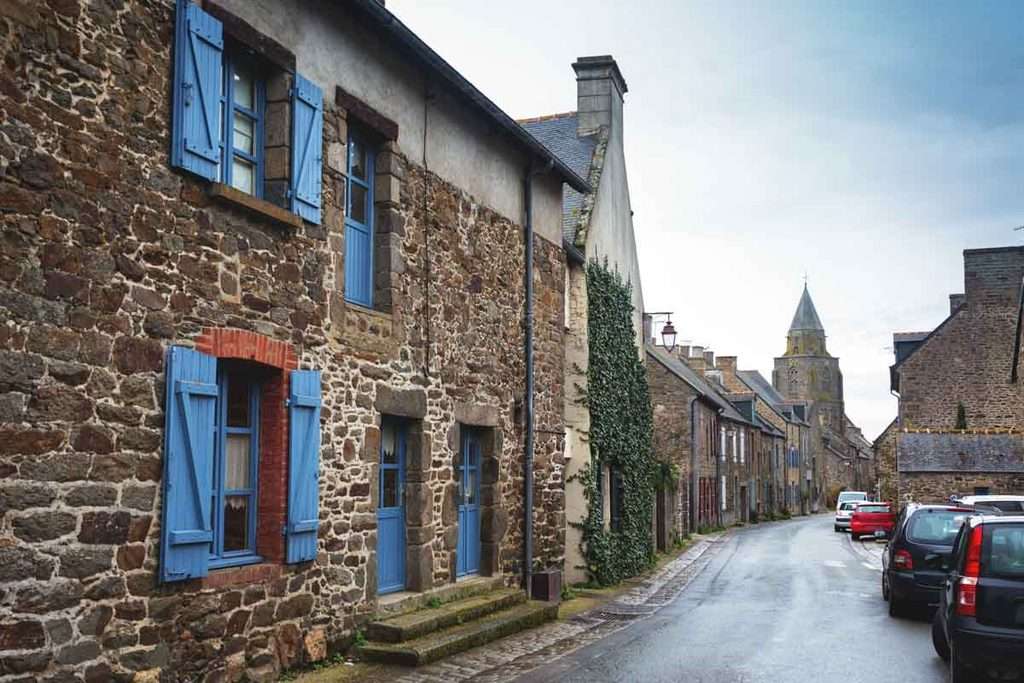
Full Insurance, Narrow Streets and Limited Parking
Full coverage matters in France for a very specific reason: narrow village streets and genuinely tight parking, particularly outside the biggest cities. Uncovered, a scratch runs the usual €300–500 at drop-off.
Credit card or travel insurance might already cover some of this, worth checking the excess before assuming it helps; a high deductible can make it close to useless against exactly the kind of small scrape most likely to happen on a narrow French street.
Counter insurance runs €30–50 a day at most French desks. Honestly, it’s way too expensive, and it may not include everything either.
I always add full coverage during booking on DiscoverCars instead: around €10 a day, sorted before I land rather than negotiated at a counter after a long flight. It includes even roadside assistance, which is a must-have in France.
Deciding on car size before you book plays into this more than people expect; a smaller car handles a medieval village centre or a tight Provençal lane far better than something oversized for the sake of comfort.
My guide to the best car size for Europe breaks down which category actually fits which kind of trip.
Tolls Cost More Than People Budget For
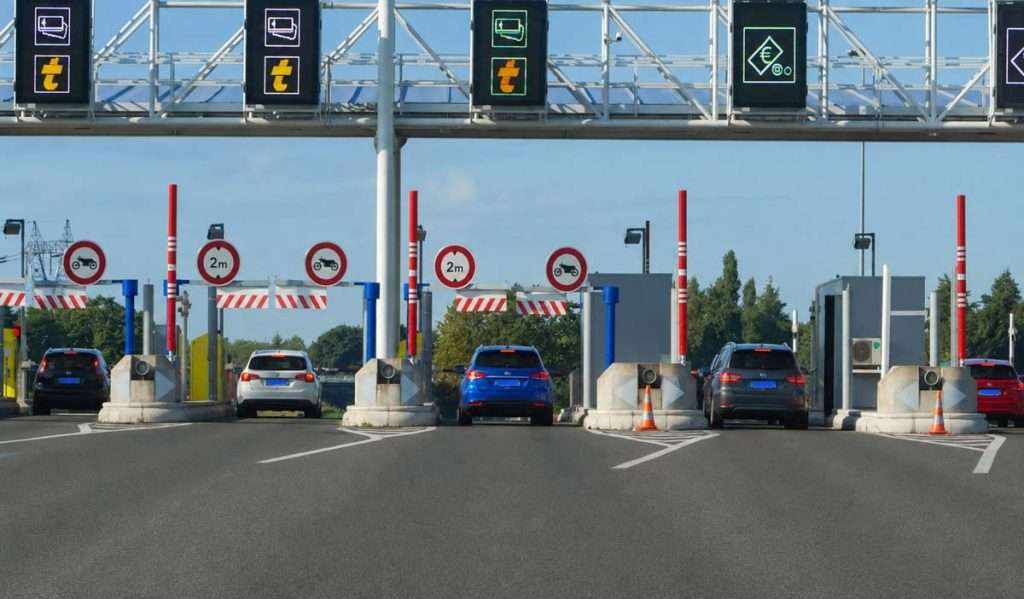
France’s autoroute network is largely privately tolled, and it adds up faster than most first-time visitors expect. A Paris to Nice run can easily run €70–90 in tolls alone, on top of fuel, worth planning for the same way you’d plan for accommodation.
Bison Futé, the official French government traffic service, publishes free alternative routes and real-time congestion forecasts for the busiest travel weekends, genuinely useful if the tolled autoroute isn’t a hard requirement for your schedule.
The free route nationale network runs roughly parallel to most autoroutes, slower, but through the villages and local food most people miss entirely on the motorway.
If a city stop is part of the route, parking rules shift noticeably between regions: blue-zone discs in some towns, metered everything in others. My guide to parking across Europe covers the patterns worth knowing before you arrive rather than guessing at a machine.
Rough Toll Costs
| Route | Approx. distance | Toll cost |
|---|---|---|
| Paris → Nice | 930 km | €70–90 |
| Paris → Bordeaux | 580 km | €45–60 |
| Lyon → Marseille | 315 km | €25–35 |
| Paris → Strasbourg | 490 km | €35–45 |
Payment at most booths takes card directly, and the newer Télépéage lanes are reserved for pre-registered transponders only; don’t queue in one without a tag fitted; it holds up the whole lane behind you.
One-Way Rentals Across a Country This Size
France’s size makes one-way itineraries genuinely appealing: fly into Paris, drive south, fly home from Nice or Marseille rather than doubling back. Most of the operators mentioned above support it, both locally and globally.
Expect a one-way fee on top of the standard rate, and it scales with distance far more than it does within a single city or region; a Paris-to-Nice one-way can add a meaningfully larger surcharge than a same-city drop-off elsewhere in Europe.
Always confirm the exact figure at booking; it’s rarely shown clearly until deep in the checkout flow.
Low Emission Zones Are Expanding Fast
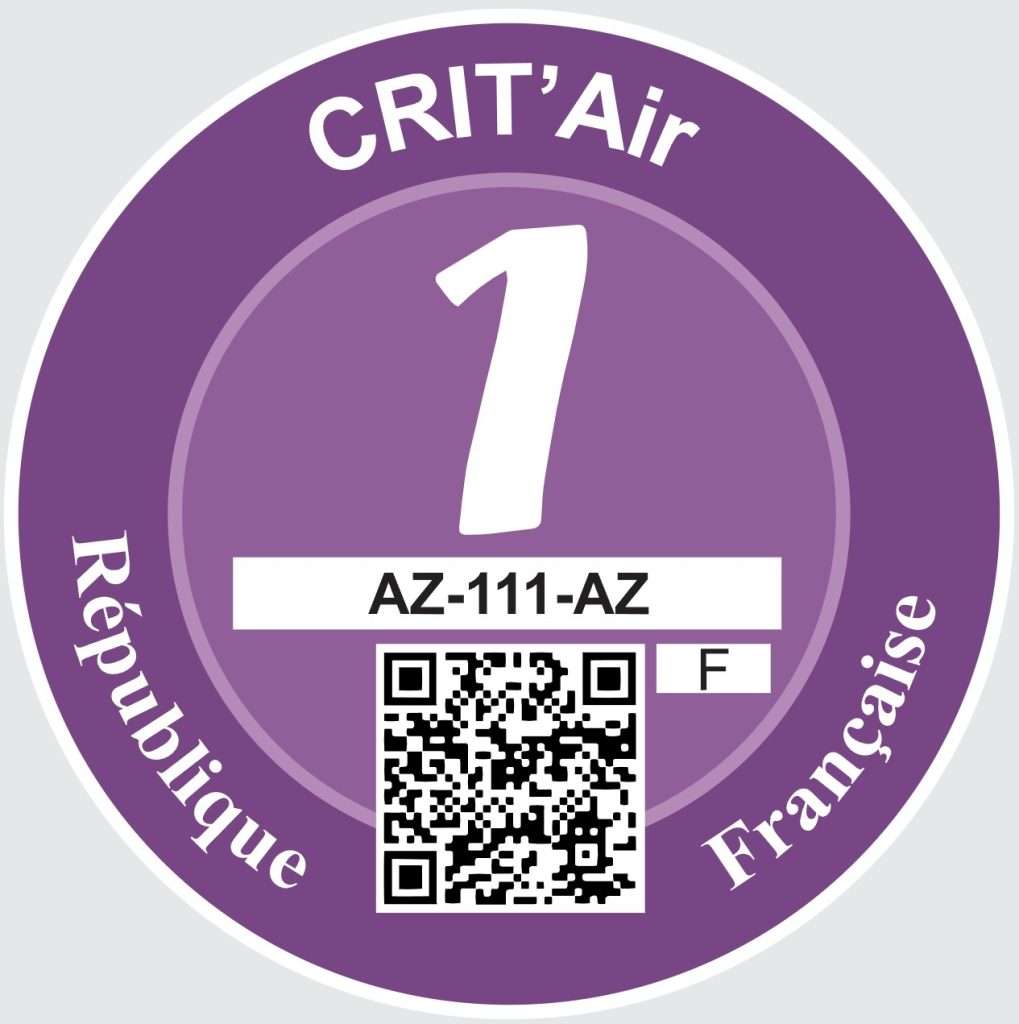
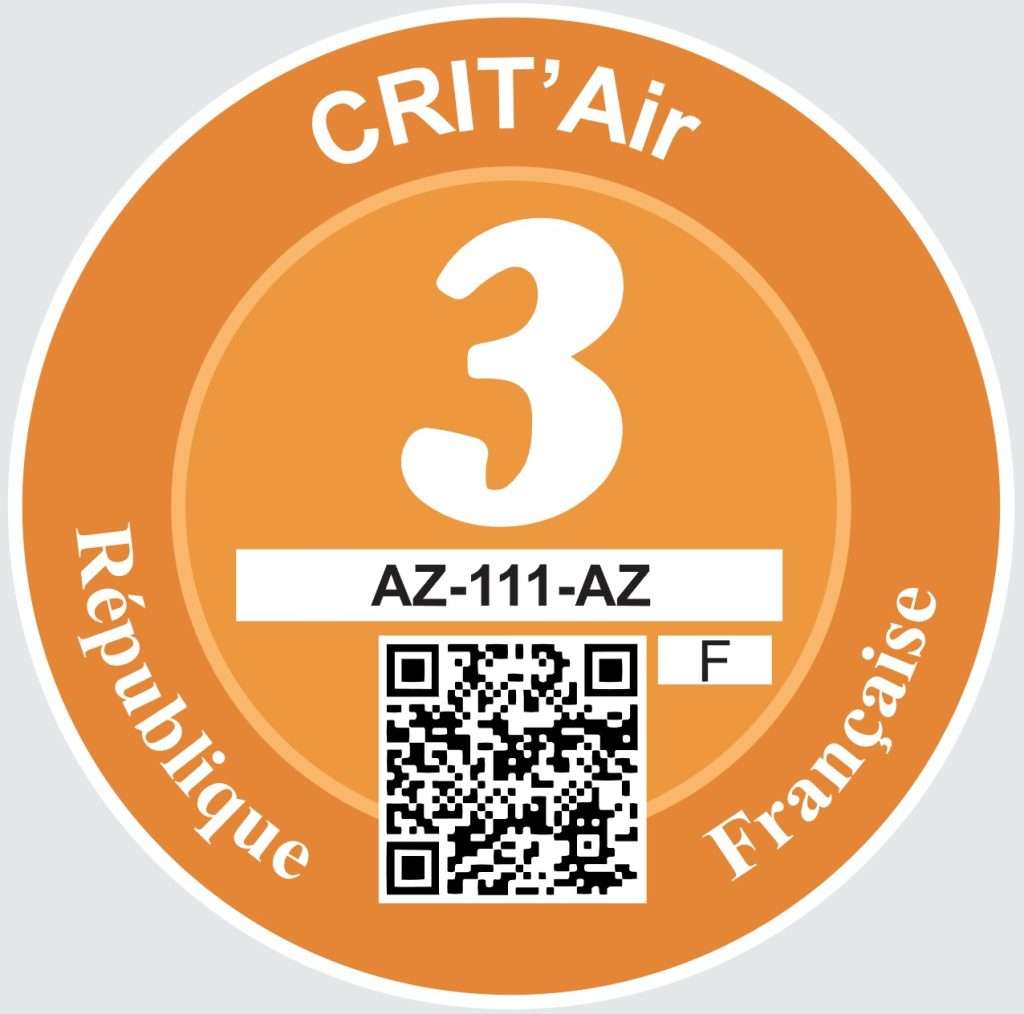
A growing number of French cities, Paris, Lyon, and a rising list of others, now run low emission zones requiring a Crit’Air windscreen sticker rated by the vehicle’s emissions class. Most rental cars already carry one, but not always the right class for every restricted day.
I’ve covered this in full detail, including how to check and order a sticker if your car doesn’t already have one, in my general France driving guide, worth a read if Paris or Lyon feature anywhere on the itinerary.
What to Actually Avoid
The pre-existing damage scam shows up less in France than in some markets, but it isn’t absent. Photograph everything at pickup, every panel, roof, undercarriage, interior, and again at drop-off, essential if the return point is unattended. The dashboard shot for fuel and mileage matters just as much as the exterior.
The second trap is the fuel policy itself. Some operators push a full-to-empty deal: prepay for a full tank at a premium, return the car empty, and it almost never works out in your favour because they charge you an inflated price for the petrol, and it will be very hard to return it empty. Always choose full-to-full or like-for-like if it’s offered as an option.
Planning the Rest of the Trip
Book well ahead for summer regardless of which region you’re heading to, and sort full insurance before you land rather than negotiating it at a desk.
Between the toll costs, the emission zones, and the sheer size of the country, a little planning goes further in France than in most places I cover.
If Paris or Nice specifically are the focus, my dedicated guides for each cover the airport logistics in more depth than a country-wide overview can.
And whatever the region, matching car size to the roads you’ll actually drive matters here more than almost anywhere else in Europe.


Leave a Reply