


Best Car Hire in Istanbul & What to Avoid
Finding the best car hire in Istanbul starts with a fact most visitors don’t grasp until they’re stuck in it: this city was ranked on of the the world’s most congested in the 2025, drivers here lose an average of 118 hours a year sitting in traffic. Getting the airport and the supplier right matters more here than almost anywhere else.
Istanbul straddles two continents with two international airports, one European, one Asian, and which one you land at genuinely shapes the road trip that follows.
Global or Local
My lean is toward local Turkish operators, several with a genuine presence at both airports, strong pricing, and increasingly modern fleets.
Globals offer the familiar-name reassurance that matters most on a first Turkey trip, at a real premium over the local alternative.
It must be said that not all local providers can be fully trusted, but honestly, at least a couple of global names are not as reliable as well. The pre-existing damage scam (more on this later) is unfortunately more common in Instanbul that in most of other places I rented cars.
That’s why, nowadays, I always book my cars on DiscoverCars, a comparison website where providers are rated 5 to 10 stars purely on real completed-rental reviews rather than open platforms like Google Maps where everyone, including friends and family, can rate 5 stars with fake comments.
I always filter above 8 stars, sometimes 9, to shortlist only the most trusted operators and compare globals and locals side by side on the same dates before booking. I have never been disappointed in my last 7 years of using DiscoverCars
Important! Istanbul runs one of the busiest rental markets in Turkey, book early, cancellation stays free up to 48 hours out either way.
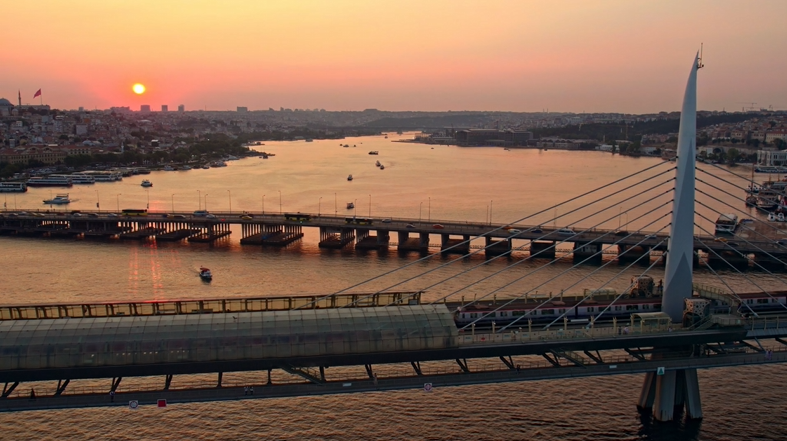
My Picks, Airport by Airport
Full transparency: none of the operators below paid for a mention here. To be fair, I didn’t contact them, so I never had services, discounts or free cars in exchange. This means there is no bias in thease picks, just a genuine suggestion.
At Istanbul Airport (IST), QCAR is my first pick, onsite with a quick, smooth check-in, brand-new vehicles, flexible payment options, and pricing that consistently lands among the most competitive at this airport. Europcar is the reliable global alternative, a desk inside the terminal and the international support structure worth having on a first Turkey drive, at a real price premium over QCAR.
At Sabiha Gökçen (SAW), QCAR takes the top spot again, same quality and flexibility as the other side of the city. Çizgi Rent a Car rounds it out, a consistent track record across multiple Turkish airports and a modern fleet, sometimes even better priced than QCAR on the day.
Important. Conditions shift here more than the names alone suggest, management changes, occasional subcontracting, always cross-check current ratings on DiscoverCars before confirming even these picks.
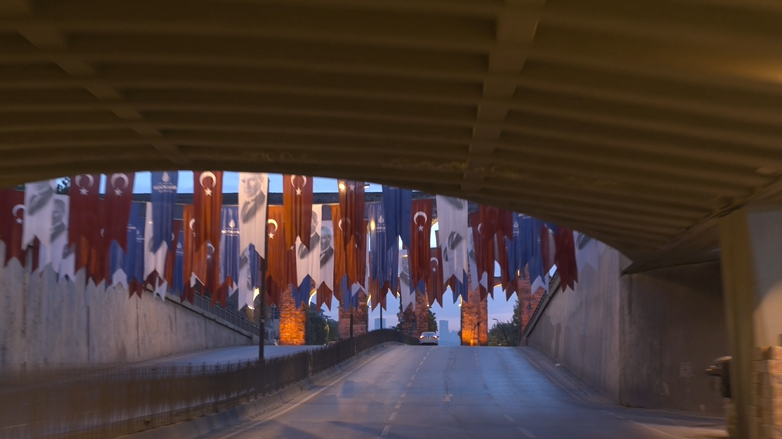
Airport Quick Comparison
| Istanbul Airport (IST) | Sabiha Gökçen (SAW) | |
|---|---|---|
| Side of city | European | Asian |
| Distance from centre | 35–40 km | 40 km |
| Best for | Long-haul arrivals, west/Aegean routes | Budget flights, east/Cappadocia routes |
| Rental market | Larger, more competitive | Smaller, book ahead |
IST vs SAW: Which Airport Actually Saves You Time
Istanbul Airport, on the European side, opened in 2019 and now handles over 75 million passengers a year, one of the largest airports in Europe. It sits roughly 35–40 km northwest of the centre, about an hour by motorway, and carries most long-haul international traffic, likely your entry point if flying from outside Europe.
The rental market here is the deeper and more competitive of the two, which generally keeps prices reasonable, and it’s the natural starting point for road trips heading west toward Thrace, Gallipoli, and the Aegean coast.
Sabiha Gökçen, on the Asian side, sits about 40 km southeast, 45–50 minutes via the toll road, and serves mainly low-cost carriers, Pegasus and Ryanair among them, often with noticeably cheaper flights from parts of Europe than IST offers.
The rental market is smaller, book early for peak season, but the real advantage is geography: heading east toward Cappadocia, Ankara, the Black Sea, or deeper into Anatolia, SAW puts you straight on the right road without crossing the Bosphorus bridges, genuinely congested in both directions at rush hour.
Always keep in mind that Istanbul is one of world’s most congested cities in the 2025 INRIX Global Traffic Scorecard. So try to land on the right side of the city to avoid this traffic
ONWARD DRIVE TIMES
| From | To | Time |
|---|---|---|
| IST | Gallipoli Peninsula | 3.5 hrs |
| IST | Aegean coast (Çanakkale) | 4 hrs |
| SAW | Cappadocia | 9–10 hrs |
| SAW | Ankara | 4.5 hrs |
| SAW | Black Sea coast (Sakarya) | 2 hrs |
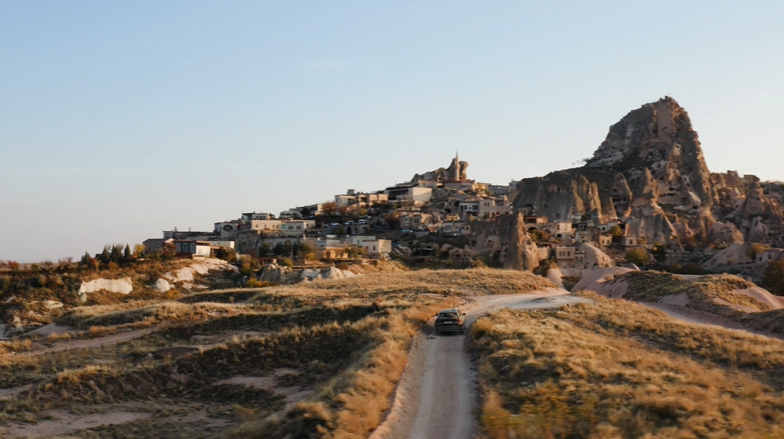
Full Insurance, Predictably, Always
Even skipping the city centre entirely, Istanbul’s traffic culture, narrow village streets on the outskirts, and genuinely tight parking all add up to real small-damage risk. Uncovered, a scratch runs the usual €300–500 at drop-off.
Credit card or travel insurance might help, check the excess first, mine sits at €700, close to useless against exactly this kind of small damage.
Counter cover runs €30–50 a day and commonly excludes rims and tyres on top of the price itself. Does it make sense? I don’t think so, it’s too expensive in my opinion, besides not including everything.
I add full coverage at booking on DiscoverCars instead, around €10 a day, zero excess, also roadside assistance included, which is a must-have in Turkey, all sorted before I land rather than negotiated at a desk after a long flight.
Fuel and Drop-Off Details
Fuel policy across Istanbul’s suppliers is almost always full-to-full, return the tank as received or pay a marked-up refuelling charge at drop-off. Stations near both airports get busy in the last hour before flights during peak season, refuel earlier than feels strictly necessary.
Dropping the car somewhere other than the pickup airport, ending a road trip in Cappadocia or Ankara rather than looping back through Istanbul, is usually possible but rarely free.
Confirm the one-way fee at booking rather than assuming it’s included, it scales with distance and isn’t always shown clearly until checkout.

The Historic Peninsula Is Actively Going Car-Free
This is genuinely current and worth knowing before you plan any city-centre driving. Istanbul’s municipal government launched a Historic Peninsula Transportation Action Plan in 2025, and the first concrete step already happened: the Sirkeci–Harem car ferry line relocated to Yenikapı in mid-2025.
The stated end goal is removing private vehicle traffic entirely from the areas around Sultanahmet, Hagia Sophia, and Topkapı Palace, turning the historic core into a pedestrian zone with hotel shuttles replacing private cars, and officials have explicitly mentioned studying congestion pricing similar to London or Singapore for later phases.
None of this is finalised everywhere yet, but the direction is clear and moving fast, this genuinely isn’t the same driving environment it was even a year or two ago.
Practically, this reinforces what was already true anyway: don’t drive into Sultanahmet, Fener, Balat, or Galata.
These neighbourhoods were built for foot traffic centuries before cars existed, expect sudden lane restrictions, dead ends with no room to turn around, and streets that simply weren’t designed for a modern vehicle. Park outside and continue by tram or on foot.
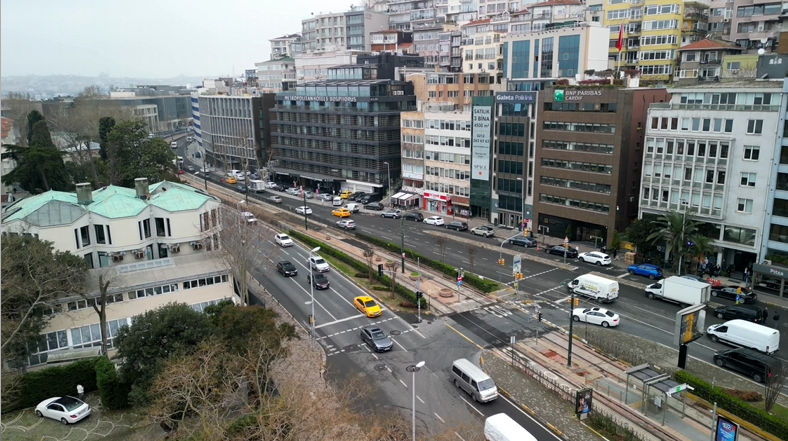
Bosphorus Crossings and Tolls
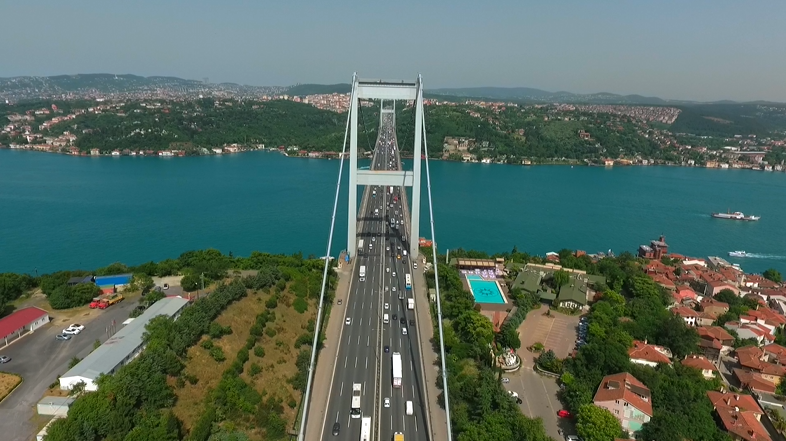
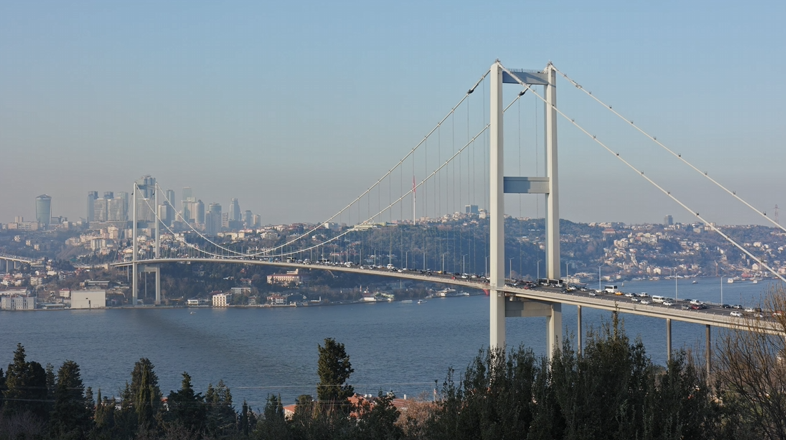
Both Bosphorus bridges and the Eurasia road tunnel run on the same HGS electronic toll system used across the rest of the country, no cash lanes, confirm your rental’s tag is active at pickup the same way you would anywhere else in Turkey.
My general Turkey driving guide covers HGS, mandatory equipment, and licence requirements in full if this is a first Turkey trip.
Morning and evening rush hour on these crossings is genuinely some of the worst congestion in the city, factor real buffer time into any airport transfer or onward drive that has to cross from one side to the other during peak hours.
A car crossing between the two continents by ferry, rather than a bridge or tunnel, is no longer an option either now that the Sirkeci–Harem line has relocated away from the city centre entirely.
What to Actually Avoid
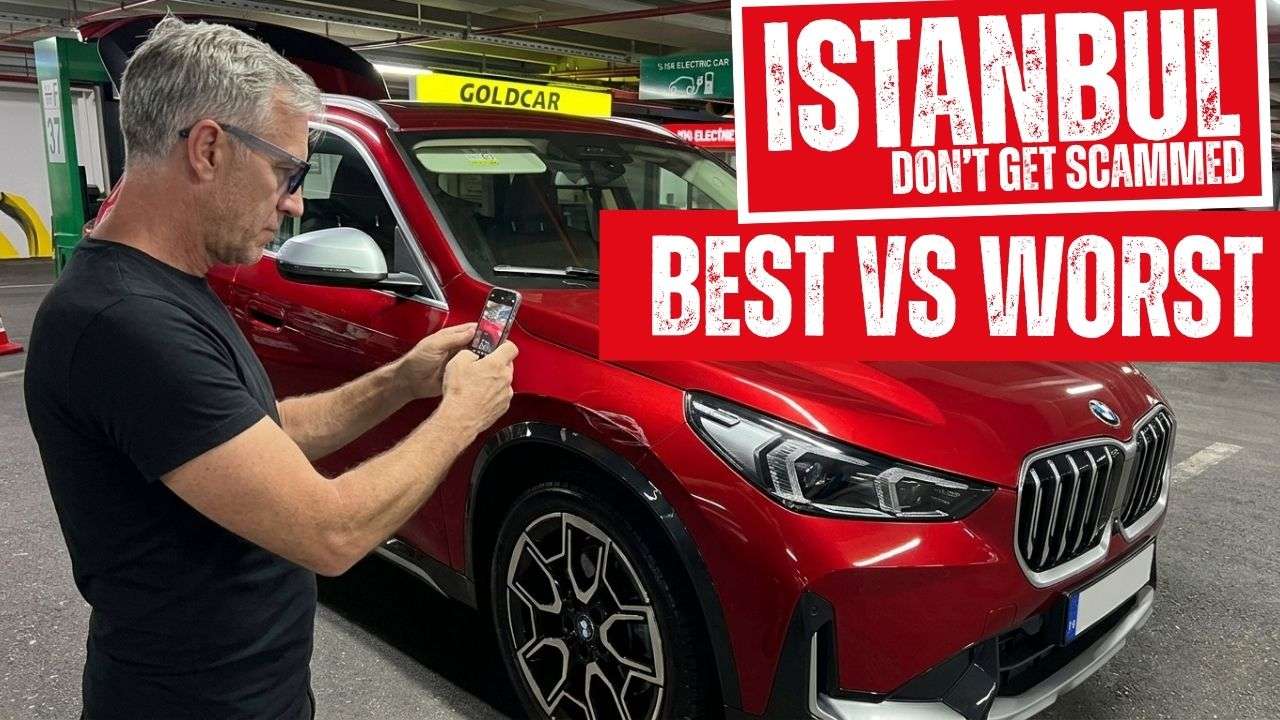
Photograph the car at pickup, every side, roof, undercarriage, and interior, and again at drop-off, standard practice everywhere but worth restating given how much city and highway driving this route involves before a road trip even starts.
Don’t drive into the historic peninsula expecting to park nearby either, that option is shrinking by the month as the pedestrianisation plan rolls forward.
And don’t book blindly from any name, including the ones above, without a fresh check on current ratings on DiscoverCars, Turkey’s rental market moves fast enough that yesterday’s good pick isn’t a guarantee today.
Watch the fuel-policy trap too, a small number of operators quote a suspiciously cheap rate that turns out to require a full prepaid tank returned empty.
Always confirm full-to-full or like-for-like before signing, the prepaid version rarely works out as a genuine saving once unused fuel is factored in.
Planning the Rest of the Trip
If Antalya or Izmir are part of the same trip, my Antalya car rental guide and Izmir car hire guide cover those markets separately, and the Turkish car rental overview is worth a read if Istanbul is just one stop on a longer Turkish itinerary.
A few genuine ways to find better rental deals generally are worth checking too before you confirm anything.
Match the airport to your route rather than defaulting to IST out of habit, sort full insurance before you land, and keep the car out of the historic peninsula entirely. That covers most of what actually matters for renting in Istanbul right now.


Leave a Reply