





Which Chiang Mai Car Rental Is Actually the Best? (And What to Avoid)
Chiang Mai is one of those places where a rental car doesn’t just help the trip; it makes the trip. The temples above the city, the mountain roads north, and the hill tribe villages at your pace are only reachable with a vehicle or an organised tour that will be more expensive and less personal.
The north is also home to some of the most demanding driving in Thailand, which changes a few things about how you should approach both the rental and the insurance.
Here’s who to book with, where the road actually takes you, and what’s worth knowing before you’re on those mountain bends.
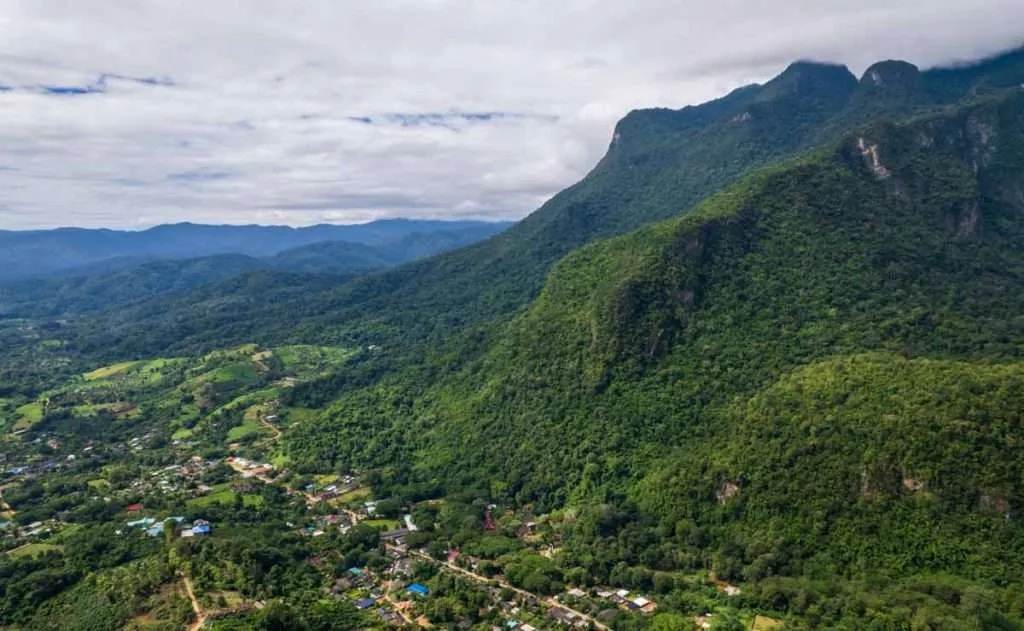
Best suppliers at Chiang Mai Airport
Full transparency: No car rental companies paid, sponsored or endorsed to be included in this guide.
DRIVE Car Rental is my top pick — a name I keep coming back to across Thailand. Their counter sits inside the international terminal between gates 8 and 9, and the process is personal and efficient every time I’ve used them.
ThaiRent a Car is my second pick, and worth knowing about specifically here — their desk is in the arrivals hall near Exit 1, competitively priced, with a fleet that’s well maintained for a local operator.
Sixt rounds out my three, with a desk in the same arrivals area. It costs more, but the global consistency is worth it if this is your first time renting in Thailand.
Now, one warning here. Thailand’s rental market moves fast, and I’ve seen operators change hands or drop in quality within a season.
That’s why I always check current rental ratings on DiscoverCars before confirming anything — it rates every operator 5 to 10 based on completed rentals of actual customers (similar to Airbnb), and I filter above 8, sometimes 9, to shortlist the most trusted operators.
I usually book early when travelling November to February, since that’s high season and availability drops fast; cancellation is free up to 48 hours before pickup regardless.
Before you fly, check whether you need an international driving permit alongside your licence (very likely), and if you’d rather avoid a credit card deposit, my guide to renting without one is worth a read. The rest of the basics are in my guide to renting a car in Thailand.
Getting out of the airport
Chiang Mai International Airport is a single two-storey terminal split into domestic and international wings, connected inside the building — a 3 to 5 minute walk between the two if your rental desk isn’t on the side you land at.
Most counters, DRIVE and ThaiRent a Car included, sit on the first floor of the domestic arrivals area, with Sixt in the same general zone. The car park sits directly in front of the terminal and serves both wings, so there’s no shuttle to chase down on arrival.
The city itself is close — Chiang Mai’s Old City is only about 4 to 5 km away, a 10 to 25 minute drive depending on traffic. If you’re heading straight out toward the mountains instead, that short distance means you can be on the road north within half an hour of landing.

Where the road actually takes you
The drive up to Wat Phra That Doi Suthep, the most sacred temple in northern Thailand, is the obvious first stop — steep, winding, and worth doing early before the crowds and the heat both build.
The real reason to rent here, though, is the Mae Hong Son loop: a roughly 600 km circuit through the mountains northwest of the city, infamous for its more than 1,800 curves on the Chiang Mai–Pai stretch alone. It’s genuinely one of the best drives in Southeast Asia, and not something a bus or a day tour can replicate.
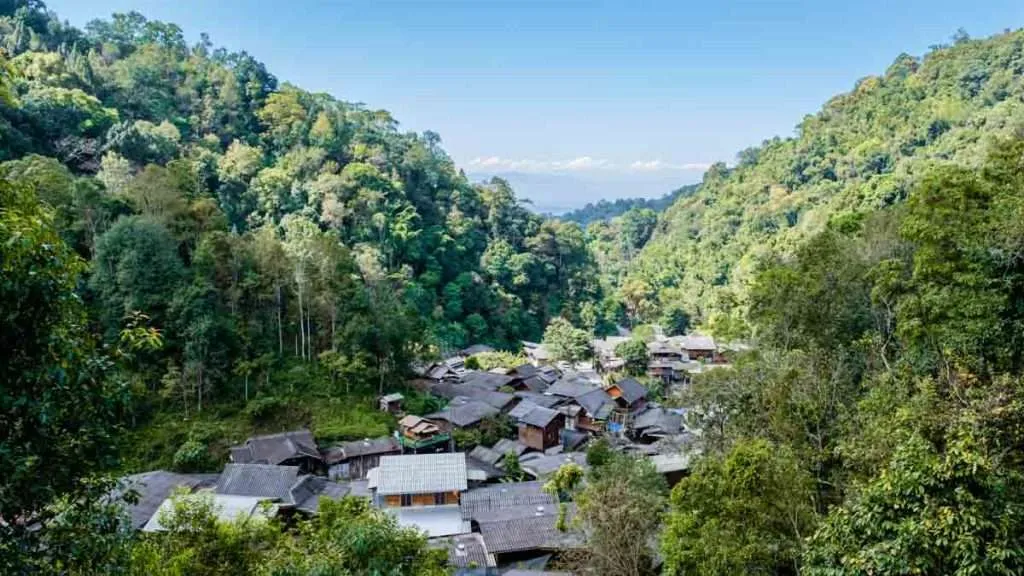
Chiang Rai is about 3 hours northeast if temples and hill tribe villages are more your pace than hairpin bends. And if you’d rather go the other direction entirely, you can also think of a road trip east of Thailand toward the Cambodia border, following the old Khmer Highway, the way I did a couple of years ago — starting instead from Bangkok.
What to avoid
If the Mae Hong Son loop or a route to Chiang Rai or Pai is on your itinerary, confirm out-of-province travel is actually permitted before you book, not after. Thai rental agreements often restrict where you can take the car, and breaching that restriction can void your coverage entirely, on top of whatever else goes wrong.
Document the car at both ends, not just at pickup. Photos or a short video of every side, the roof, the undercarriage, and the interior when you collect it, and the exact same again at drop-off, including a photo of the dashboard showing the fuel level and kilometres.
Mountain routes rack up both quickly, and that second set of photos is the half most guides skip.
Beyond that, treat Google Maps ratings with some scepticism — a handful of five-star reviews from accounts with no other activity say very little, and I’ve catalogued this and a few other patterns in my car rental scams guide.
Insurance
The mountain roads here are the reason I’d push full insurance harder in Chiang Mai than almost anywhere else in Thailand.
Long descents on routes like the Mae Hong Son loop can genuinely cause brake fade in a car that isn’t used to it — use engine braking on the way down rather than riding the brakes, and don’t push the schedule into driving after dark on unlit sections.
Every rental here comes with some base cover, usually a Collision Damage Waiver alongside basic liability, but there’s always an excess behind it — typically somewhere between 5,000 and 15,000 baht depending on the operator and the vehicle category, sometimes more on a particularly cheap rate.
Some operators sell a top-up called Super CDW that brings the excess to zero for 1,000-1,500 baht/day, way too expensive in my opinion, and it’s always hard to say if it really includes everything.
Your own credit card or travel insurance might already cover the gap, but check both the excess and whether Thailand is actually included, since it’s sometimes excluded outright.
I sort mine through DiscoverCars at booking instead — zero excess, roadside assistance included, sorted before I land rather than negotiated at a mountain-town front desk. And the best is that it costs just 10-15 Euros or 350-580 Baht, basically a third of the counter price.
Quick recap
- DRIVE Car Rental is my top pick, with ThaiRent a Car as a strong local alternative — check current ratings on DiscoverCars before confirming.
- Confirm out-of-province travel is allowed before booking if the Mae Hong Son loop or Pai is on your route.
- Photograph the car at both pickup and drop-off, including the dashboard for fuel and kilometres.
- Use engine braking on long mountain descents, and avoid driving after dark on unlit routes.
- Take full insurance — the roads here make the case for it more than most.





Leave a Reply